Mobility & Transportation
The way we move through cities and across regions shapes our daily lives more profoundly than most realize. From the morning commute that sets the tone for your workday to the delivery trucks that stock neighborhood stores, mobility and transportation systems form the invisible infrastructure connecting communities, economies, and opportunities. Yet these systems face mounting pressures: congested roads costing billions in lost productivity, air pollution affecting public health, and the urgent need to reduce carbon emissions while accommodating growing urban populations.
Understanding modern transportation means looking beyond individual vehicles to examine the complex ecosystem of infrastructure, technology, human behavior, and environmental impact. This comprehensive exploration covers the fundamental challenges cities face, the innovative solutions emerging from micro-mobility to smart traffic algorithms, and the practical considerations affecting everyone from daily commuters to logistics managers. Whether you’re curious about sustainable transport options, concerned about air quality, or interested in how data is reshaping urban movement, this foundation will help you navigate the evolving landscape of how we get from point A to point B.
Why Urban Mobility Matters for Livability and Efficiency
Cities worldwide grapple with a paradox: as urban areas grow more vibrant and economically productive, the very systems designed to move people become barriers to that prosperity. Traffic congestion represents far more than mere inconvenience—it’s a measurable drain on economic output, environmental quality, and personal wellbeing.
Quantifying gridlock reveals staggering costs. The average commuter in major metropolitan areas loses between 50 and 100 hours annually to traffic delays, translating to thousands of dollars in wasted time and fuel. For cities, the economic impact multiplies across millions of residents and commercial vehicles: delayed deliveries, reduced business productivity, increased transportation costs that ultimately reach consumers, and diminished attractiveness for business investment. One mid-sized city discovered that peak-hour congestion was costing its economy approximately $1.2 billion annually when factoring in direct and indirect impacts.
Rethinking urban mobility starts with recognizing that single-occupancy vehicles cannot scale to meet growing demand. The mathematics are unforgiving: a typical car occupies roughly 150 square feet of road space while moving just 1.2 people on average. Effective solutions integrate multiple transportation modes into seamless networks where residents can naturally combine walking, cycling, public transit, and shared vehicles based on trip requirements. This multimodal integration requires more than installing bike lanes alongside bus routes—it demands coordinated scheduling, unified payment systems, and infrastructure designed around interchange points where transitions between modes occur smoothly.
Infrastructure Models That Enable Movement
Transportation infrastructure represents one of the largest long-term investments cities make, yet the planning models chosen today shape mobility patterns for generations. Traditional approaches prioritized vehicle throughput, measuring success by traffic volume and speed. Contemporary models increasingly emphasize accessibility over mobility—focusing on how easily people can reach destinations rather than how fast vehicles can travel.
Complete streets design exemplifies this shift, allocating road space to serve all users: pedestrians, cyclists, transit vehicles, and cars. The implementation requires difficult tradeoffs, often reducing lanes or parking to accommodate protected bike paths and wider sidewalks, but cities adopting this approach report measurable increases in active transportation, local business revenue, and safety metrics.
The Maintenance Challenge No One Wants to Address
Perhaps the least glamorous yet most critical aspect of transportation infrastructure is ongoing maintenance. While new projects generate ribbon-cutting ceremonies and headlines, the unglamorous work of maintaining existing roads, bridges, and transit systems often gets deferred during budget constraints. This short-term thinking creates long-term financial burdens: every dollar not spent on preventive maintenance typically generates four to five dollars in future repair costs as minor issues compound into major failures.
The backlog of deferred maintenance across aging transportation networks runs into hundreds of billions globally. Bridges require inspection and repair, road surfaces deteriorate under daily wear, transit vehicles need replacement, and signal systems become obsolete. Cities finding sustainable paths forward typically dedicate fixed percentages of transportation budgets to maintenance, treating it as non-negotiable rather than discretionary spending.
Reducing Transportation’s Environmental Footprint
Personal transportation represents one of the largest sources of carbon emissions for individuals in developed nations, often accounting for 20-30% of a household’s total carbon footprint. Understanding and reducing this impact requires examining vehicle technology, fuel sources, driving behavior, and trip frequency.
Recent regulatory changes reflect growing urgency around vehicle emissions. Diesel bans in urban centers, once considered radical, have become increasingly common as cities prioritize air quality. These restrictions typically phase in gradually, starting with the oldest, most polluting vehicles before expanding to broader categories. The transition challenges commercial operators and residents who invested in diesel vehicles marketed as fuel-efficient, highlighting tensions between individual decisions and collective environmental goals.
Comparing Powertrains and Their Real-World Impact
The debate over vehicle powertrains—internal combustion, hybrid, plug-in hybrid, battery electric, or hydrogen fuel cell—often generates more heat than light. Each technology involves tradeoffs across several dimensions:
- Lifecycle emissions: Battery production carries environmental costs, while combustion vehicles emit throughout their operational life; the crossover point depends on electricity grid composition and vehicle longevity
- Operational costs: Electric vehicles typically cost less per mile for energy but may carry higher purchase prices and battery replacement expenses
- Infrastructure requirements: Charging networks for electric vehicles or hydrogen refueling stations require substantial investment and time to deploy
- Use case suitability: Range limitations, charging times, and payload capacities make certain technologies better suited for specific applications
Honest comparisons acknowledge that no single solution fits all contexts. An urban commuter driving 30 miles daily with home charging access faces different calculations than a rural resident traveling long distances with limited charging infrastructure.
Practical Steps: Eco-Driving and Battery Optimization
Regardless of powertrain, driving behavior significantly impacts fuel consumption and emissions. Eco-driving techniques can reduce fuel use by 10-25% through simple adjustments: smooth acceleration, maintaining steady speeds, anticipating stops to avoid hard braking, and removing unnecessary weight from vehicles. These practices also extend vehicle lifespan and reduce maintenance costs—environmental benefits aligned with economic incentives.
For electric vehicle owners, battery optimization extends both range and battery longevity. Lithium-ion batteries degrade faster when regularly charged to 100% or depleted below 20%, when exposed to temperature extremes, or when frequently fast-charged. Optimal practices include charging to 80% for daily use, preconditioning batteries in extreme temperatures, and parking in moderate climates when possible. Following these guidelines, batteries often retain 85-90% capacity after eight years rather than degrading more rapidly.
Micro-Mobility Solutions for the Last-Mile Challenge
The “last-mile problem”—efficiently connecting transit stops to final destinations—has challenged transportation planners for decades. Walking remains the original last-mile solution, but distances beyond half a mile discourage many people from using public transit. Micro-mobility devices—electric scooters, bikes, skateboards, and similar compact vehicles—have emerged as practical bridges for these gaps.
Adoption trends reveal rapid uptake concentrated among specific demographics and trip types. Short trips under two miles, particularly those connecting transit stations to workplaces or dense residential areas, represent the sweet spot for micro-mobility. Users typically skew younger and more urban, though acceptance is broadening as systems mature and safety concerns get addressed.
Safety Considerations and Personal Device Comparisons
Safety concerns have accompanied micro-mobility’s explosive growth, with emergency departments reporting increased injuries related to electric scooters and bikes. Risk factors include unfamiliarity with devices, inadequate infrastructure separating riders from vehicle traffic, and behavioral issues like riding on sidewalks or doubling up on single-person devices.
Comparing personal micro-mobility devices reveals distinct safety and practical profiles:
- Electric scooters: Highly portable and easy to learn but small wheels make them vulnerable to pavement irregularities; typically limited to smooth surfaces
- Electric bikes: More stable and suitable for longer distances but heavier and less portable; better weather protection and cargo capacity
- Electric skateboards: Compact and maneuverable but require more skill and offer less stability; higher risk profile for inexperienced users
Safe riding practices include wearing helmets (even where not legally required), using lights and reflective gear during low visibility, staying off sidewalks, and adjusting speed to conditions and skill level.
Regulation and Fleet Charging Infrastructure
Cities struggle to regulate sidewalk use as shared micro-mobility fleets proliferate. Early deployments often occurred without regulatory frameworks, leading to sidewalk clutter, hazardous parking, and conflicts with pedestrians. Effective regulations typically include designated parking zones, fleet size caps, data-sharing requirements allowing cities to monitor usage patterns, and penalties for operators whose devices block accessibility.
For shared fleets, charging logistics represent a major operational challenge. Systems employ various strategies: distributed charging where gig workers collect and charge devices at home, centralized charging warehouses, or vehicle-swapping battery systems. The optimal approach depends on fleet size, geographic distribution, and local labor costs. Emerging solutions include solar-powered charging stations and devices that wirelessly charge when parked in designated zones.
Active Transportation for Healthier Communities
Walking and cycling aren’t just transportation modes—they’re opportunities to integrate physical activity into daily routines without requiring dedicated exercise time. The health benefits of active transportation extend beyond cardiovascular fitness to include mental health improvements, reduced chronic disease risk, and increased longevity.
Research consistently shows that people who commute actively accumulate significantly more physical activity than those relying solely on vehicles or transit, even when the latter group includes gym memberships. A moderate 30-minute cycling commute provides most of the recommended daily physical activity while serving a practical purpose. The dual benefit—transportation plus exercise—makes active commuting one of the most time-efficient health interventions available.
Bike-share systems have democratized cycling access in cities worldwide, eliminating barriers like storage, maintenance, and theft concerns. Understanding system types helps users choose appropriate services:
- Station-based systems: Bikes must be picked up and returned to fixed docking stations; predictable availability but less flexible for point-to-point trips
- Dockless systems: Bikes can be located via app and left anywhere within service areas; maximum flexibility but potential for poor distribution
- Hybrid systems: Combine fixed stations with flexible parking zones, balancing convenience and distribution control
Navigating bike-share apps has become intuitive as systems mature. Most allow users to locate nearby bikes, reserve them briefly, unlock via QR code or app, and automatically bill by time or distance. Hidden costs sometimes appear in the form of fees for exceeding time limits, parking outside designated zones, or failing to properly lock bikes—reading terms carefully prevents surprises.
Air Quality and Public Health in Urban Environments
Transportation significantly impacts urban air quality, with vehicle emissions contributing 30-50% of air pollution in many cities. The health consequences extend beyond obvious respiratory effects to include cardiovascular disease, developmental impacts in children, and reduced life expectancy. Understanding and mitigating these impacts requires examining both outdoor air quality and personal exposure.
Particulate matter (PM) represents one of the most dangerous air pollutants. These microscopic particles, categorized by size (PM10, PM2.5, PM1), penetrate deep into lungs and even enter bloodstreams. PM2.5—particles smaller than 2.5 micrometers—causes particular concern because it bypasses natural respiratory defenses. Sources include vehicle exhaust, tire and brake wear, industrial emissions, and construction dust.
Practical Strategies for Reducing Exposure
Since individuals can’t eliminate air pollution, reducing personal exposure becomes crucial. Strategies include:
- Route selection: Walking or cycling on side streets rather than major arterials can reduce pollution exposure by 20-40%, even if distance increases slightly
- Timing considerations: Pollution peaks during rush hours; early morning or midday trips encounter lower concentrations
- Indoor air filtration: HEPA filters effectively remove particulate matter from home environments, particularly important for vulnerable populations
- Monitoring air quality: Apps and sensors provide real-time data allowing people to adjust outdoor activities on high-pollution days
For people with asthma or other respiratory conditions, preventing triggers during commutes requires additional vigilance. Pre-medicating before exposure, choosing air-conditioned transport with recirculation during high-pollution periods, and avoiding peak traffic hours can significantly reduce symptom occurrence.
Smart Technology Transforming Traffic Management
Traditional traffic signals operated on fixed timers, creating the frustrating experience of waiting at red lights with no crossing traffic. Adaptive traffic signal systems use sensors and algorithms to respond to real-time conditions, adjusting signal timing based on actual traffic flow rather than historical averages.
These intelligent systems detect vehicle presence, measure queue lengths, and optimize signal timing to minimize overall delay. Early implementations focused on major corridors, but networked systems now coordinate signals across entire districts. The technology can reduce travel times by 10-25% and decrease stop-and-go driving that wastes fuel and increases emissions.
Route Optimization and Phantom Jam Prevention
Navigation apps have evolved beyond static maps to become sophisticated route optimization tools. By aggregating real-time speed data from millions of users, these systems identify congestion as it develops and reroute traffic around bottlenecks. This crowdsourced approach creates a form of collective intelligence where individual routing decisions benefit the entire network—at least in theory.
In practice, concentrated rerouting can overwhelm residential streets never designed for through traffic. Some neighborhoods have implemented traffic calming measures specifically to prevent navigation apps from channeling vehicles through local streets, highlighting tensions between individual efficiency and community quality of life.
Phantom jams—traffic slowdowns without obvious causes like accidents or bottlenecks—occur when small disruptions amplify through driver behavior. A single driver braking slightly causes following vehicles to brake more, creating waves that ripple backward through traffic and can persist for hours. Research shows that if just 5% of vehicles maintain perfectly steady speeds (as autonomous vehicles could), they can dampen these waves and prevent phantom jams from forming.
Data-Driven Logistics and Fleet Management
Commercial transportation and logistics operations increasingly rely on telematics systems that collect and analyze vehicle data to optimize efficiency. These systems track location, speed, fuel consumption, engine diagnostics, and driver behavior, providing fleet managers with unprecedented visibility into operations.
The return on investment from telematics implementation typically comes from several sources: reduced fuel costs through route optimization and eco-driving, lower maintenance expenses by addressing issues before failures occur, decreased insurance premiums through improved safety records, and better asset utilization by minimizing idle time. Many operators report ROI within 12-18 months despite upfront implementation costs.
Balancing Efficiency with Privacy Concerns
Comprehensive vehicle tracking raises legitimate privacy concerns, particularly for drivers who feel constantly monitored. Ethical implementation requires balancing operational efficiency with employee privacy through clear policies about what data gets collected, how it’s used, who can access it, and whether tracking continues during off-duty periods.
Best practices include transparency about monitoring systems, using data for coaching rather than punishment, focusing on objective metrics rather than constant surveillance, and implementing clear boundaries between work-related tracking and personal privacy. Some jurisdictions mandate specific protections for commercial drivers, including limits on tracking during breaks and requirements for data retention policies.
Load balancing optimization represents another area where data analytics improves logistics efficiency. By analyzing delivery patterns, traffic conditions, and vehicle capacities, software solutions can minimize empty miles—the industry term for trucks traveling without cargo. Reducing empty miles decreases costs, emissions, and road wear while improving delivery speed. Advanced systems coordinate multiple shippers and carriers to fill otherwise empty return trips, creating shared value across the logistics network.
The mobility and transportation landscape continues evolving as technology, environmental imperatives, and changing urban patterns reshape how we move. Understanding these interconnected systems—from individual commute choices to sophisticated logistics networks—empowers better decisions whether you’re planning your daily travel, advocating for infrastructure improvements, or managing commercial fleets. The future of mobility lies not in any single technology or solution but in thoughtfully integrating multiple approaches to create transportation systems that serve economic, environmental, and human needs simultaneously.

Beyond the Map: How Digital Traffic Management Slashes Delivery Times and Recovers Hidden Costs
Optimizing routes isn’t just about faster deliveries; it’s a strategic system for recovering thousands in hidden operational costs. Manual data entry introduces costly errors, and untracked empty miles directly drain your fuel budget. Transparently deployed telematics can reduce insurance premiums…
Read more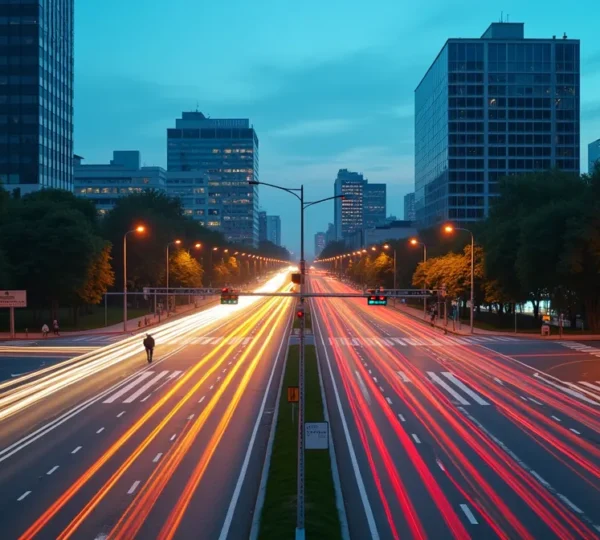
Smoother Traffic Flow: Can AI Traffic Lights End Rush Hour Forever?
The constant stopping at red lights isn’t an isolated issue; it’s a symptom of a disconnected, outdated traffic grid. AI offers a systemic solution by transforming this grid into a single, predictive organism. Traditional traffic lights operate on fixed timers,…
Read more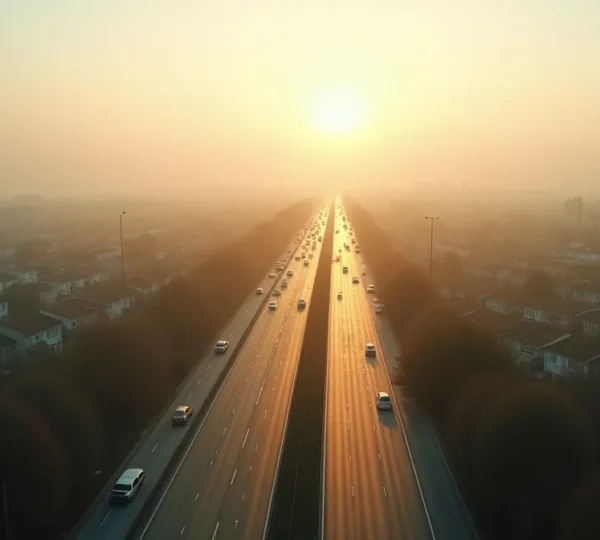
Urban Pollution: How to Protect Your Lungs When Living Near a Highway?
In summary: Focus on filtering invisible PM2.5 particles, not just visible smog, as they pose the greatest health risk. Equip your home with dual-filtration air purifiers (HEPA + Activated Carbon) to capture both particles and gases. Implement strategic ventilation in…
Read more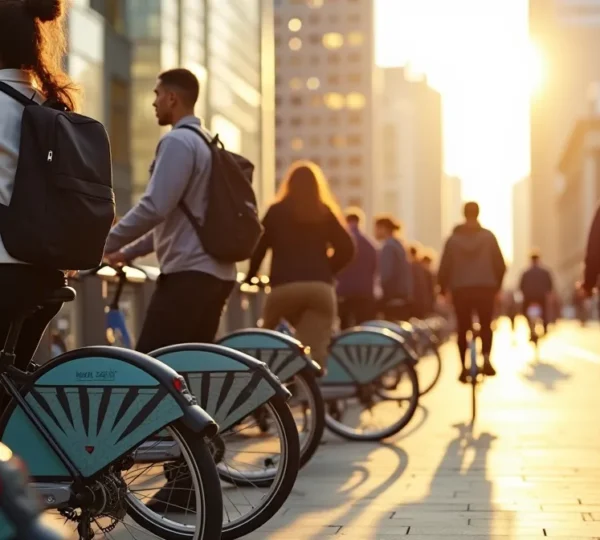
Self-Service Bicycles: How Bikeshare Systems Are Reducing Urban Obesity Rates?
The most effective strategy against urban obesity isn’t a new fitness craze, but the systematic redesign of our daily commute through bikeshare programs. Bikeshare systems architect “incidental activity” into daily life, making exercise a byproduct of travel rather than a…
Read more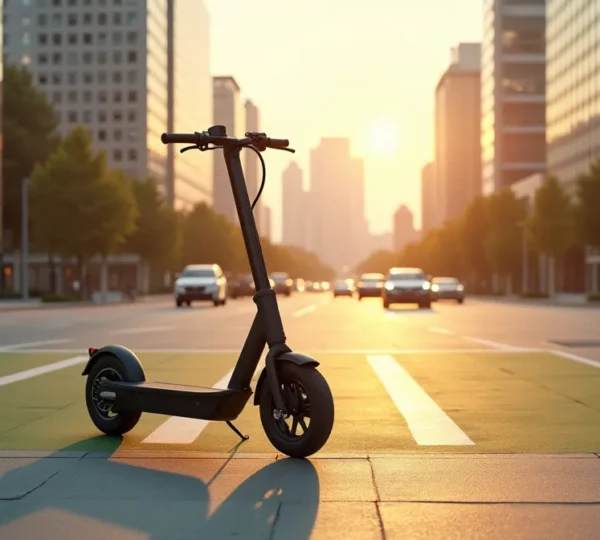
Innovative Mobility Solutions: Are E-Scooters a Fad or the Future of Transport?
The survival of e-scooters hinges less on the vehicle itself and more on mastering the complex operational intelligence that powers the entire system. Success is driven by predictive fleet management and AI, not just by deploying more scooters on the…
Read more
Environmental Concerns: Is Your Electric Car Really Green If the Grid Is Coal?
An electric vehicle’s environmental impact is not a fixed attribute determined at purchase, but an operational variable that the owner can actively manage and optimize. The high emissions from battery manufacturing create a “carbon debt” that is paid back over…
Read more
Rethinking the Grid: How Cities Are Engineering a Future Beyond the Car
The shift to car-free cities isn’t about banning vehicles; it’s about redesigning the entire mobility ecosystem to be so efficient and responsive that private cars become obsolete by choice. Traffic isn’t just an inconvenience; it’s a multi-billion-dollar drain on productivity…
Read more