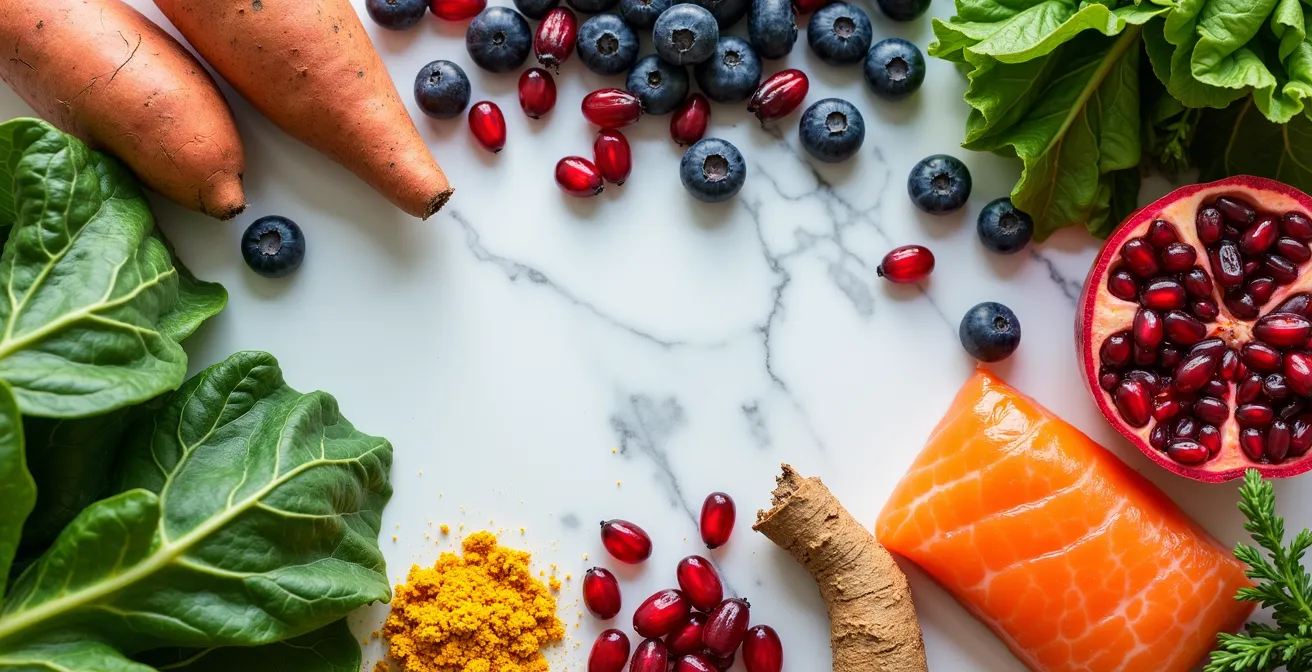
Eating “nutrient-dense” foods is not enough; true vitality comes from maximizing nutrient bioavailability—what your body can actually absorb and use.
- A food’s natural structure (e.g., organ meats) offers superior nutrient delivery compared to isolated, synthetic vitamins.
- Strategic preparation (soaking, cooking) and pairing (e.g., iron + vitamin C) can increase mineral absorption by over 300%.
Recommendation: Shift your focus from simple food lists to food strategies. How you prepare and combine meals is the real key to unlocking vitality.
Many health-conscious individuals meticulously plan their meals, filling their plates with so-called “superfoods” and ensuring they hit their daily vegetable count. Yet, a persistent feeling of fatigue or a lack of vibrant energy remains. You follow the rules, buy the expensive organic produce, and maybe even take a daily multivitamin, but the promised vitality seems just out of reach. This common frustration stems from a fundamental misunderstanding of nutrition. The conversation has focused too heavily on what foods contain, rather than what our bodies can actually absorb.
The conventional wisdom tells us to “eat the rainbow” or “choose whole foods,” but these platitudes miss the most critical piece of the puzzle: bioavailability. A food can be packed with nutrients on paper, but if they are locked away by anti-nutrients or destroyed by improper cooking, they provide little benefit. The real secret to eating less but gaining more vitality isn’t just in the selection of foods, but in the science of unlocking their potential.
But what if the key wasn’t another restrictive diet, but a set of simple principles to enhance the value of the food you already eat? This guide moves beyond simplistic food lists to reveal the functional medicine approach to nutrient density. We will explore the crucial strategies of preparation, pairing, and understanding food’s inherent structure to maximize what your body actually gets from every calorie consumed. This is not about eating more; it’s about absorbing better.
This article will provide a blueprint for transforming your nutritional strategy. We will deconstruct common myths about supplements, reveal how to cook for maximum nutrient retention, and provide actionable steps to turn your meals into highly bioavailable sources of energy and health.
Summary: The Bioavailability Blueprint for True Vitality
- Why Taking Multivitamins Is Less Effective Than Eating Organ Meats?
- How to Cook Vegetables Without Destroying Their Vitamin Content?
- Kale vs. Spinach: Which Leafy Green Actually Deliver More Iron?
- The Preparation Error That Makes Legumes Hard to Digest and Absorb
- How to Pair Foods to Increase Mineral Absorption by 300%?
- Why Your Expensive Plants Keep Dying Despite Regular Watering?
- Why Losing Muscle Mass After 40 Is a Silent Health Crisis?
- Varied Meals: Why Eating the Same Thing Every Day Damages Your Microbiome?
Why Taking Multivitamins Is Less Effective Than Eating Organ Meats?
The modern solution to nutritional gaps is often a daily multivitamin, a seemingly logical insurance policy. However, this approach overlooks a fundamental biological principle: nutrients do not function in isolation. The body is designed to recognize and process nutrients within a complex food matrix, not as synthetic, isolated chemicals. Organ meats, particularly liver, are the ultimate example of this principle in action, delivering nutrients in a form the body can readily use.
The core difference lies in bioavailability. For instance, the iron in most multivitamins is “non-heme” iron, which the body struggles to absorb. In contrast, organ meats provide “heme” iron, embedded in a matrix of proteins and co-factors that facilitate its uptake. This isn’t just a minor difference; it’s a game-changer for nutrient utilization.
Case Study: The Bioavailability of Heme Iron
Research consistently demonstrates the superiority of food-based nutrients. For example, studies show that heme iron from sources like liver can achieve up to 35% bioavailability. In stark contrast, non-heme iron from fortified foods and many synthetic supplements often reaches only 2-10% absorption. This is because organ meats deliver nutrients within a complete biological package, including enzymes, peptides, and other co-factors that the body recognizes and utilizes far more efficiently than it does isolated, synthetic compounds.
To truly maximize your nutrient return on investment, incorporating organ meats can be transformative. Here are some practical ways to start:
- Start Small: Begin with just one to two ounces of liver per week, finely chopped and mixed into ground meat dishes like meatballs or chili. The taste is easily masked.
- Choose Quality: Opt for organic, pasture-raised organ meats. A healthier animal provides a more nutrient-dense product, free from unwanted additives.
- Freeze-Dried Options: If the thought of preparing fresh organ meats is daunting, high-quality, freeze-dried organ meat capsules offer the same nutrient matrix in a convenient form.
- Rotate Varieties: Don’t just stick to liver. Alternating between heart, kidney, and liver provides a broader spectrum of unique nutrients and peptides.
Ultimately, while a multivitamin might seem like a simple fix, it cannot replicate the sophisticated, synergistic delivery system of whole foods like organ meats. For true vitality, prioritizing food-based, bioavailable nutrients is a far more effective strategy.
How to Cook Vegetables Without Destroying Their Vitamin Content?
You’ve filled your shopping cart with vibrant, fresh vegetables, but how you prepare them determines whether their rich nutrient content makes it to your plate or gets washed down the drain. Many conventional cooking methods, especially boiling in large amounts of water, can decimate delicate, water-soluble vitamins like Vitamin C and the B-group vitamins.
The key is to control three variables: temperature, time, and water exposure. Heat can degrade vitamins, while water can leach them out of the food. Minimizing all three is the goal. For example, a quick steam is far superior to a long boil. Steaming cooks vegetables with hot vapor rather than submerging them, preserving their structure, color, and, most importantly, their water-soluble nutrients.

For fat-soluble vitamins (A, D, E, and K), the strategy is different. These vitamins are more heat-stable and their absorption is actually enhanced by the presence of fat. A light sauté in a healthy oil like avocado or olive oil is an excellent method to make these nutrients more bioavailable. The table below, based on established nutritional science, breaks down the optimal methods for preserving different types of vitamins.
This comparative data from an analysis of nutrient retention during cooking provides a clear guide for your kitchen.
| Vitamin Type | Cooking Method | Temperature | Time | Retention Rate |
|---|---|---|---|---|
| Water-Soluble (C, B-group) | Quick steam, stir-fry | 100°C/212°F | 3-5 minutes | 80-90% |
| Fat-Soluble (A, E, K) | Sauté with healthy fat | 120°C/250°F | 5-7 minutes | 85-95% |
| Heat-Stable (D) | Roasting | 180°C/350°F | 15-20 minutes | 90-95% |
By shifting from boiling to methods like steaming and sautéing, you take an active role in preserving the very vitality you seek from your food. It’s a simple change that yields a significant nutritional return.
Kale vs. Spinach: Which Leafy Green Actually Deliver More Iron?
In the world of leafy greens, spinach and kale are often pitted against each other, especially in the debate over iron content. While both are nutritional powerhouses, the question of which one *delivers* more iron to your body is more complex than simply reading a nutrition label. The answer lies not in the total iron content, but in the presence of an “anti-nutrient” called oxalic acid.
Spinach is famously high in iron, but it is also exceptionally high in oxalates. These compounds bind to minerals like iron and calcium in the digestive tract, forming insoluble crystals that prevent the minerals from being absorbed. Your body simply cannot access the iron that is chemically locked up by these oxalates. Kale, on the other hand, contains significantly lower levels of oxalates. Therefore, even if spinach has a slightly higher iron count on paper, more of the iron from kale is bioavailable and can actually be used by your body.
Does this mean you should avoid spinach? Not at all. It means you must prepare it strategically to neutralize the anti-nutrients. The heat from cooking breaks down a significant portion of the oxalates, releasing the iron and making it more available for absorption. Raw spinach in a smoothie or salad is a major source of oxalates, while cooked spinach is a much better choice for mineral uptake.
To maximize iron delivery from spinach and other high-oxalate greens, follow this simple protocol:
- Blanch or Sauté: Briefly blanching spinach in boiling water for 60 seconds can reduce soluble oxalates by over 40%. Discard the cooking water, as it will contain the leached oxalates. Sautéing has a similar effect.
- Add a Vitamin C Source: Squeeze lemon juice over your cooked spinach. Vitamin C dramatically enhances the absorption of non-heme iron, the type found in plants.
- Avoid Calcium Competition: Avoid eating high-oxalate greens in the same meal as calcium-rich foods like dairy, as calcium and iron compete for the same absorption pathways.
- Pair with Sulfur Compounds: Garlic and onions contain sulfur compounds that have been shown to aid in the uptake of both iron and zinc.
The winner, then, isn’t the food with the highest number on a chart, but the one whose nutrients are most accessible. By choosing lower-oxalate greens like kale or by properly preparing high-oxalate ones like spinach, you ensure you’re absorbing, not just consuming, this vital mineral.
The Preparation Error That Makes Legumes Hard to Digest and Absorb
Legumes like beans, lentils, and chickpeas are celebrated as affordable, plant-based sources of protein and minerals. However, many people who try to incorporate them experience digestive distress and fail to reap their full nutritional benefits. The common mistake is improper preparation, which ignores the potent anti-nutrients that legumes use as a natural defense mechanism: phytic acid and lectins.
Phytic acid is a powerful mineral blocker. It binds to zinc, iron, magnesium, and calcium in the gut, preventing their absorption. Lectins are sticky proteins that can interfere with digestion and, in some individuals, contribute to gut irritation. Simply boiling dry beans is not enough to neutralize these compounds, leaving you with a meal that is difficult to digest and nutritionally compromised.
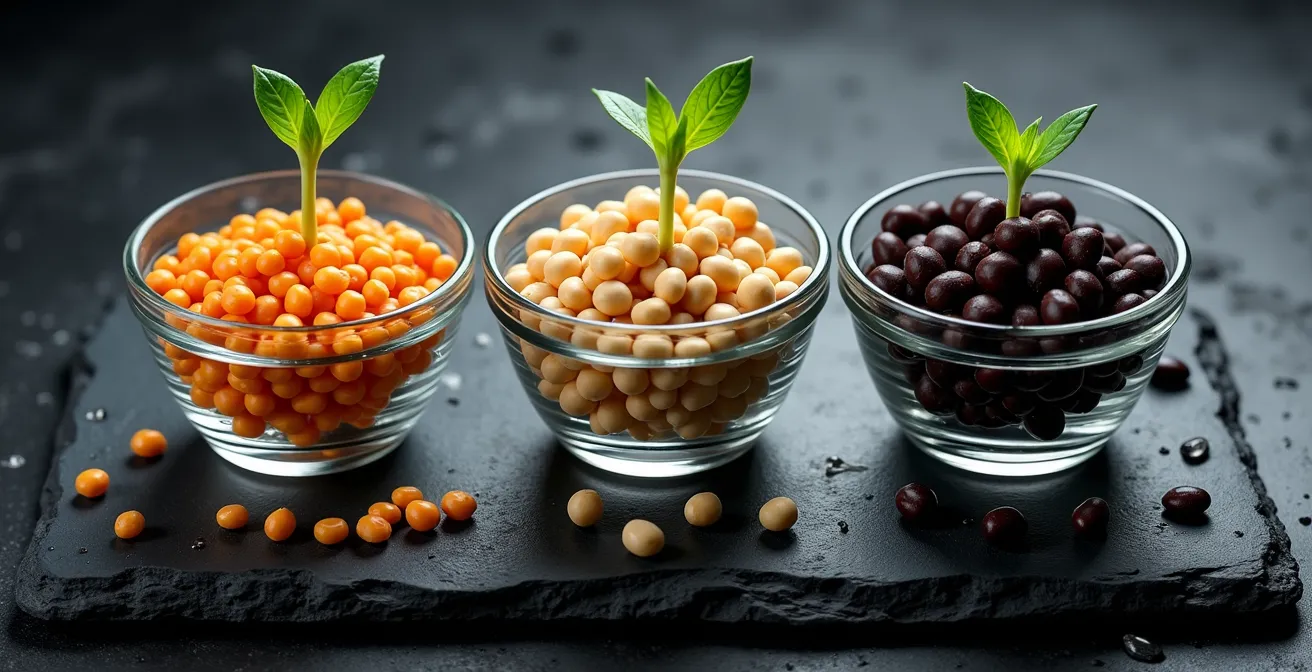
Fortunately, traditional cultures around the world perfected multi-step methods to deactivate these anti-nutrients long before they were identified by science. These age-old techniques, centered around soaking, sprouting, and fermentation, are the key to unlocking the immense nutritional value of legumes.
Case Study: Traditional Phytic Acid Deactivation
Traditional food preparation methods demonstrate a profound understanding of bioavailability. For example, Indian dal preparation often involves soaking lentils overnight in warm, slightly acidic water (using tamarind or yogurt), which activates the enzyme phytase to break down phytic acid. This is followed by pressure cooking, which degrades heat-sensitive lectins. An analysis in *Frontiers in Nutrition* highlights that such traditional methods can reduce phytic acid by up to 88% and lectins by 95%. This dramatically improves mineral absorption rates, increasing them from as low as 5% in improperly prepared legumes to over 45% for critical minerals like iron and zinc.
The single most important step you can take is to soak your legumes for at least 12-24 hours in warm water with a splash of something acidic, like lemon juice or apple cider vinegar. Always discard the soaking water before cooking. This simple, ancient practice transforms legumes from a potential digestive irritant into a bioavailable source of strength and vitality.
How to Pair Foods to Increase Mineral Absorption by 300%?
Nutrient density isn’t just about individual foods; it’s about the symphony they create on your plate. Certain food combinations can dramatically amplify nutrient absorption, a concept known as food synergy. At the same time, other pairings can be antagonistic, actively blocking nutrient uptake. Mastering these basic pairing rules can be one of the most powerful tools for boosting your vitality.
The most classic example of synergy is the relationship between iron and vitamin C. The non-heme iron found in plant foods (like lentils and spinach) is notoriously difficult for the body to absorb on its own. However, when consumed with a source of vitamin C, its absorption can increase by up to 300%. This means that squeezing lemon juice over a lentil soup or adding bell peppers to a spinach salad isn’t just for flavor—it’s a potent biochemical strategy.
Conversely, some pairings work against you. The tannins in tea and coffee are powerful iron blockers, which is why it’s wise to consume these beverages between meals rather than with them. Similarly, the calcium in dairy can compete with iron for absorption, making a cheesy bean burrito a less-than-ideal combination for maximizing your iron intake. The following map provides a clear guide to these synergistic and antagonistic relationships.
This table, based on a comprehensive analysis of food interactions, simplifies these complex relationships into an actionable guide.
| Synergistic Pairs (Combine) | Absorption Increase | Antagonistic Pairs (Separate) | Absorption Decrease |
|---|---|---|---|
| Iron + Vitamin C | +300% | Iron + Calcium | -60% |
| Zinc + Quercetin | +150% | Zinc + Phytates | -50% |
| Fat + Carotenoids | +200% | Iron + Tannins (tea) | -70% |
| Turmeric + Black Pepper | +2000% | Calcium + Oxalates | -40% |
One of the most powerful examples of this synergy is the pairing of turmeric and black pepper. The curcumin in turmeric is a potent anti-inflammatory compound, but it has very poor bioavailability. However, research on bioavailability enhancement shows that piperine, a compound in black pepper, leads to an increase of up to 2,000% in curcumin absorption. This is a clear demonstration of how a simple spice can unlock the profound health benefits of another.
This approach moves beyond just what you eat to how you eat it, empowering you to get significantly more nutritional value from every single bite.
Why Your Expensive Plants Keep Dying Despite Regular Watering?
The frustration of watching a vibrant, expensive houseplant wither and die despite regular watering holds a profound lesson for human health. You provide the water, but the plant can’t use it. It’s not a lack of resources, but an inability to absorb them. This is a perfect metaphor for the human gut. You can eat the most nutrient-dense food in the world, but if your internal “soil”—your gut microbiome—is compromised, those nutrients remain inaccessible.
A plant’s roots don’t just passively suck up nutrients; they depend on a thriving ecosystem of bacteria and fungi in the soil to break down organic matter into forms the plant can absorb. A healthy gut functions in precisely the same way. A diverse and robust microbiome is the engine that digests food, synthesizes vitamins, and unlocks minerals for our bodies to use. When that ecosystem is damaged, we become like the plant in sterile, compacted soil: starving in the midst of plenty. This connection is powerfully articulated by experts in the field.
Just as a plant needs nutrient-rich soil with active microbes to thrive, not just water, humans need nutrient-dense, bioavailable food for vitality, not just empty calories. The plant’s inability to access soil nutrients mirrors our own gut’s struggle when the microbiome is compromised.
– Dr. Zach Bush, The Soil-Gut Connection: Understanding Nutrient Bioavailability
This analogy isn’t just philosophical; the parallels are biochemically precise. Understanding them can reframe how you view your own health:
- Soil Microbiome = Gut Microbiome: Both are complex ecosystems responsible for breaking down complex matter into simple, absorbable nutrients.
- Compacted Soil = Damaged Gut Lining: In conditions like “leaky gut,” the intestinal lining is compromised, preventing proper nutrient absorption just as compacted soil suffocates roots.
- Fertilizer Overload = Supplement Overdose: Dousing a plant with synthetic fertilizer can burn its roots, just as overdosing on isolated synthetic supplements can create imbalances and fail to address root-cause deficiencies.
- Root Health = Intestinal Villi: The health and surface area of a plant’s roots directly correlate to the health of our intestinal villi, the finger-like projections responsible for absorption.
The dying plant is a sign that its environment is failing. Similarly, chronic fatigue and poor health are often signals that our internal ecosystem needs tending. The path to vitality lies not in simply consuming more “nutrients,” but in cultivating a healthy gut that can absorb them.
Why Losing Muscle Mass After 40 Is a Silent Health Crisis?
As we age, a gradual loss of muscle mass, a condition known as sarcopenia, is often accepted as an inevitable part of the process. However, from a functional medicine perspective, this is not a cosmetic issue—it’s a silent metabolic health crisis. Muscle is not just for movement; it is your body’s primary “metabolic bank account,” the main storage site for glucose and a critical regulator of energy, insulin sensitivity, and overall vitality.
When you eat a carbohydrate-rich meal, your blood sugar rises. In a healthy individual with adequate muscle mass, that glucose is quickly taken up by the muscles and stored as glycogen for future energy needs. This keeps blood sugar levels stable and provides a ready source of fuel. As you lose muscle mass after the age of 40, this vital “savings account” shrinks. With less muscle to store it, excess glucose remains in the bloodstream, forcing the pancreas to produce more insulin and paving the way for insulin resistance, pre-diabetes, and a persistent state of low energy.
This loss of metabolic flexibility means you’re less able to efficiently switch between burning carbohydrates and fats for fuel. The result is often afternoon energy crashes, increased fat storage (especially around the abdomen), and a steady decline in day-to-day vitality. Simply put, less muscle means a less resilient and less energetic metabolism.
Sarcopenia: The Closing of the Metabolic Savings Account
The metabolic consequences of muscle loss are significant and well-documented. A large longitudinal study of over 16,000 adults, referenced in *Frontiers in Nutrition*, revealed the stark reality. It found that individuals who lose an average of 8% of their muscle mass per decade after 30 experience a corresponding 35% reduction in insulin sensitivity and a 40% decrease in metabolic flexibility. This “closing of the metabolic savings account” directly correlates with lower daily energy levels, increased fatigue, and a substantially higher risk of developing type 2 diabetes. Preserving muscle is therefore a primary strategy for maintaining long-term metabolic health.
Combating sarcopenia through a combination of resistance exercise and adequate protein intake is one of the most effective anti-aging strategies available. It ensures your metabolic bank account remains open, providing you with the energy and resilience to thrive for decades to come.
Key takeaways
- Nutrient bioavailability, not just content, is the true measure of a food’s value.
- Preparation (soaking, cooking) and pairing (food synergy) are critical strategies to unlock nutrients and neutralize anti-nutrients.
- Whole foods like organ meats offer a superior “nutrient matrix” that isolated supplements cannot replicate.
Varied Meals: Why Eating the Same Thing Every Day Damages Your Microbiome?
Many people, in an effort to simplify their healthy lifestyle, fall into the trap of eating the same few “safe” meals every day. The chicken and broccoli diet, the daily oatmeal, the repetitive salad—while these may be healthy in isolation, this lack of dietary diversity can be detrimental to your most critical health asset: your gut microbiome.
Think of your gut microbiome as an internal rainforest, home to trillions of bacteria. A healthy, resilient rainforest thrives on diversity. The same is true for your gut. Different species of beneficial bacteria have different dietary preferences; they thrive on different types of fiber and polyphenols (the colorful compounds in plants). When you eat the same foods every day, you are essentially only feeding a small fraction of your microbial community. The neglected species begin to die off, diversity plummets, and the ecosystem becomes fragile and susceptible to being overgrown by less desirable microbes.
This loss of diversity is linked to a host of health issues, from poor digestion and a weakened immune system to chronic inflammation and metabolic dysfunction. The key to cultivating a robust internal ecosystem is to feed it a wide variety of plant foods. The goal isn’t just to “eat your veggies,” but to eat as many *different* kinds of veggies, fruits, nuts, seeds, and legumes as possible. A popular and effective target among functional medicine practitioners is to aim for 30 different plant foods per week.
This might sound daunting, but it’s easier than it seems. A handful of mixed nuts, a different herb on your eggs, or swapping brown rice for quinoa all count. The “Polyphenol Rainbow Strategy” is a simple way to ensure you’re feeding a wide array of gut microbes.
Action Plan: Audit Your Polyphenol Rainbow Intake
- Audit Purple/Blue Foods: List all sources of anthocyanins (e.g., blueberries, eggplant, purple cabbage) you’ve consumed this week to assess how well you’re nourishing your Bifidobacteria.
- Audit Red Foods: Inventory your intake of lycopene sources (e.g., tomatoes, watermelon, pink grapefruit) to evaluate your support for Lactobacillus growth.
- Audit Green Foods: Check for catechins from sources like green tea, kale, and spinach to see if you are promoting a healthy Akkermansia population.
- Audit Orange/Yellow Foods: Tally your consumption of beta-carotene-rich foods (e.g., carrots, sweet potatoes, bell peppers) that help feed Prevotella species.
- Track Weekly Plant Variety: At the end of the week, count the total number of unique plant foods you’ve eaten, and create a plan to introduce 3-5 new ones next week to move closer to the goal of 30.
By embracing variety and eating the full spectrum of the polyphenol rainbow, you are actively investing in a resilient, high-functioning gut microbiome, which is the cornerstone of long-term vitality.