Home & Lifestyle
Your home is far more than a collection of rooms—it’s the backdrop to your daily rituals, the space where memories form, and a direct reflection of how you want to live. Whether you’re preparing meals, nurturing plants, or unwinding after a long day, the design choices you make in your kitchen, garden, and bathroom profoundly impact your comfort, efficiency, and well-being. Yet transforming these spaces can feel overwhelming, especially when faced with countless material options, conflicting design advice, and budget constraints.
This comprehensive exploration of home and lifestyle essentials demystifies the core principles behind creating spaces that truly work for you. From understanding the fundamental workflows that make kitchens efficient to selecting plants that thrive with minimal intervention, we’ll walk through the practical knowledge you need to make confident decisions. Whether you’re planning a major renovation or simply seeking to optimize what you already have, these insights will help you create a home that balances beauty, functionality, and sustainability.
The Heart of the Home: Kitchen Design and Functionality
The kitchen consistently ranks as the most valuable room in any home, often accounting for up to 20% of a property’s total value. Beyond financial considerations, it’s where function meets daily necessity, making thoughtful design choices particularly impactful.
The Foundation: Understanding Space and Workflow
At the core of every efficient kitchen lies the work triangle—the strategic positioning of your sink, stove, and refrigerator. This concept, rooted in motion efficiency studies, suggests that the sum of these three legs should ideally fall between 12 and 26 feet. Think of it like a carefully choreographed dance: too much distance and you’re exhausted from unnecessary steps; too little and you’re constantly bumping into obstacles.
When planning your layout, consider how ingredients flow through your space. Refrigerated items should have a natural path to your prep area, which in turn should sit conveniently near your cooking zone. This logical sequence reduces wasted movement and makes cooking genuinely enjoyable rather than frustrating.
Materials and Finishes That Last
Countertop selection represents one of the most consequential decisions in kitchen design. Each material brings distinct advantages:
- Granite: Heat-resistant and uniquely patterned, though requires periodic sealing
- Quartz: Non-porous and low-maintenance, ideal for busy households
- Butcher block: Warm and repairable, but demands regular oiling and careful water management
- Laminate: Budget-friendly with improving aesthetics, though less durable than stone options
The key is matching material properties to your actual usage patterns. A household with young children might prioritize quartz’s stain resistance, while passionate bakers often prefer the tactile warmth and functionality of wood surfaces for pastry work.
Lighting and Storage Strategies
Inadequate lighting remains one of the most common kitchen mistakes, often because homeowners rely solely on overhead fixtures. Effective kitchen illumination requires layered lighting: ambient ceiling lights for general visibility, task lighting under cabinets for prep work, and accent lighting to highlight architectural features.
Storage optimization follows a similar principle of strategic placement. Frequently used items should occupy the zone between your knees and shoulders—the “golden zone” that requires no bending or stretching. Deep drawers outperform traditional cabinets for pots and pans, while vertical dividers transform chaotic cabinet spaces into organized stations for baking sheets and cutting boards.
Outdoor Living: Creating Your Garden Sanctuary
A well-designed garden extends your living space while connecting you to natural rhythms and seasonal changes. The goal isn’t perfection, but rather creating a low-maintenance outdoor sanctuary that provides beauty and ecological value without demanding excessive time or resources.
Planning for Success
Before purchasing a single plant, invest time in understanding your site’s unique conditions. Observe how sunlight moves across your space throughout the day—that “full sun” corner might actually receive only four hours of direct light due to neighboring structures. Note where water naturally collects after rain, as these areas indicate drainage challenges or opportunities for moisture-loving plants.
Sketch your layout with mature plant sizes in mind. That charming shrub currently in a one-gallon pot may eventually span six feet, potentially overwhelming nearby perennials or blocking pathways. Creating distinct zones—perhaps a dining area, a play space, and a planting bed—helps organize the space functionally while guiding maintenance priorities.
Soil, Plants and Biodiversity
Healthy soil functions like a living ecosystem, not just an inert growing medium. The difference between compacted, depleted soil and rich, biologically active earth determines whether plants merely survive or genuinely thrive. Incorporating organic matter—compost, aged manure, or leaf mold—improves both drainage in clay soils and water retention in sandy conditions.
When selecting plant species, resist the temptation to fight your climate. Native and adapted plants require dramatically less water, fertilizer, and pest intervention than exotic specimens. A native oak provides habitat for hundreds of insect species, which in turn support bird populations, creating a self-sustaining system. In contrast, ornamental imports often stand as isolated features requiring constant support.
Designing for wildlife doesn’t mean sacrificing aesthetics. Strategic plant selection provides year-round interest while supporting pollinators and beneficial insects:
- Include plants with staggered bloom times from early spring through fall
- Provide water sources like birdbaths or small ponds
- Leave some “messy” areas with leaf litter and hollow stems for overwintering insects
- Avoid pesticides that disrupt the natural predator-prey balance
Maintenance and Sustainability
Preventing drainage issues saves significant frustration and expense. Water that pools near foundations can compromise structural integrity, while boggy areas breed mosquitoes and kill plants intolerant of “wet feet.” Simple solutions include grading soil away from buildings, installing French drains in chronically wet areas, or embracing the conditions with rain gardens filled with moisture-loving native plants.
Mulching represents perhaps the single most effective maintenance reducer. A two-to-four-inch layer of organic mulch suppresses weeds, moderates soil temperature, retains moisture, and gradually improves soil quality as it decomposes. This simple practice can reduce watering needs by up to 50% while dramatically decreasing time spent weeding.
The Bathroom: Balancing Luxury and Practicality
Modern bathrooms serve dual purposes: functional spaces for daily hygiene and personal retreats for relaxation. Achieving this balance requires attention to water management, material selection, and spatial efficiency.
Water, Wellness and Efficiency
Creating a spa-like experience doesn’t require excessive water consumption. Contemporary low-flow fixtures deliver satisfying pressure through aerating technology that mixes air with water. Quality rain showerheads now use 2.0 gallons per minute or less—compared to older models that consumed 5+ gallons—without sacrificing the luxurious sensation.
When comparing shower systems, consider these options:
- Traditional single-head: Economical and straightforward, suitable for most needs
- Dual-head systems: Flexibility for different users or tasks, with independent controls
- Thermostatic valves: Maintain consistent temperature despite pressure fluctuations, preventing scalding
- Digital controls: Pre-program preferences and monitor water usage
Fixture selection extends beyond showers. Touchless faucets reduce water waste and improve hygiene, particularly valuable in family bathrooms. Dual-flush toilets allow users to select appropriate water volumes, reducing annual consumption by thousands of gallons.
Preventing Common Problems
Moisture management determines bathroom longevity. Even minor waterproofing failures can lead to structural damage, mold growth, and costly repairs. The shower area demands particular attention: waterproof membranes should extend at minimum six inches beyond the shower perimeter, and all penetrations (fixtures, shelves, benches) require careful sealing.
Preventing mold growth requires controlling humidity through proper ventilation. Exhaust fans should remain running for 20-30 minutes after showering to remove residual moisture. Size matters—bathroom fans are rated in CFM (cubic feet per minute), and the general rule suggests one CFM per square foot of bathroom space, with a minimum of 50 CFM for bathrooms under 50 square feet.
Regular maintenance prevents small issues from escalating. Check caulking around tubs and showers seasonally, replacing any cracked or separated sections immediately. Clean grout lines and apply sealer annually to prevent water infiltration that leads to tile failure.
Making the Most of Limited Space
Small bathroom layouts benefit tremendously from strategic planning. Wall-mounted toilets and floating vanities create visual spaciousness while simplifying floor cleaning. Corner sinks utilize otherwise wasted space, though ensure adequate elbow room—a beautiful fixture becomes frustrating if you constantly bump into walls.
Vertical storage transforms tight bathrooms from cluttered to functional. Recessed medicine cabinets built into wall cavities provide storage without protruding into limited space. Over-toilet shelving units capitalize on typically unused vertical space, while pull-out organizers in vanity cabinets maximize every cubic inch.
Light colors and reflective surfaces amplify perceived space. Large-format tiles reduce grout lines, creating cleaner visual planes. Glass shower enclosures maintain sightlines rather than chopping the room into smaller visual segments. Strategic mirror placement bounces light and creates depth—consider extending mirrors to the ceiling rather than stopping at conventional heights.
Creating a home that truly supports your lifestyle requires understanding the fundamental principles governing each space while adapting them to your specific needs and circumstances. The kitchen, garden, and bathroom may serve different purposes, but they share common threads: the importance of planning before executing, choosing quality materials appropriate to their use, and designing systems that function efficiently with minimal ongoing intervention. By approaching these spaces with both practical knowledge and creative vision, you transform a house into a home that actively enhances daily life.
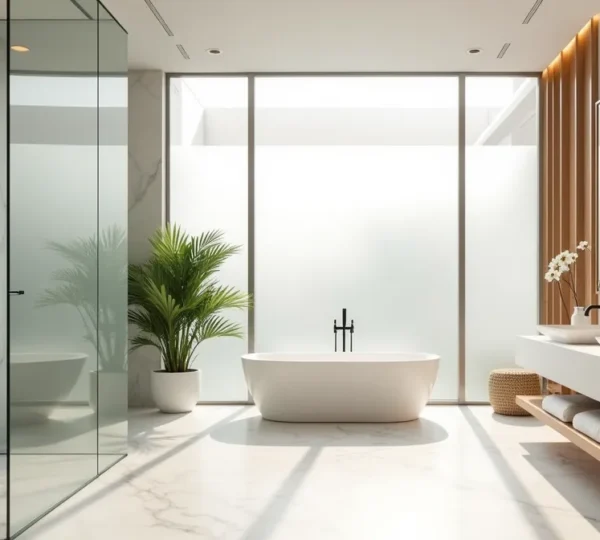
Bathroom Modernization: How to Renovate a Master Bath Without Moving the Plumbing?
The secret to a high-end bathroom remodel on a budget isn’t shiny faucets; it’s investing in the invisible systems that prevent catastrophic failures and deliver true comfort. Focus your budget on robust waterproofing and proper ventilation first, as these are…
Read more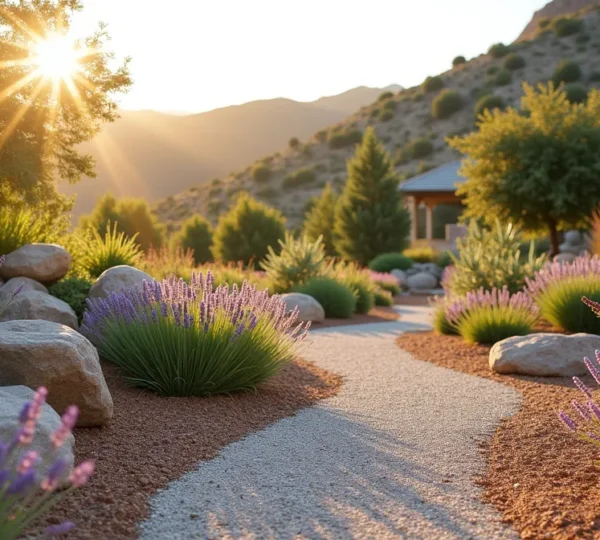
Garden Landscaping: Create a Lush Sanctuary That Thrives in Drought
In summary: Your garden’s survival depends less on how much you water and more on creating a living, water-retentive soil structure. Strategic layering with a mix of perennials and self-seeding annuals provides continuous color and texture with minimal effort. Managing…
Read more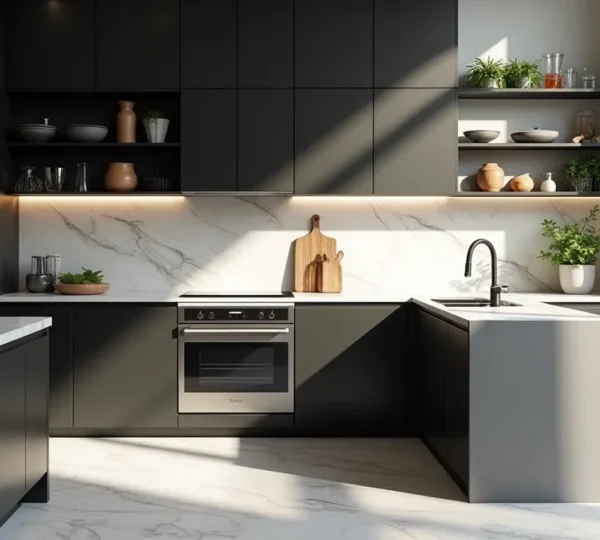
Small Space, Big Culinary Dreams: A Designer’s Guide to a Chef-Grade Kitchen Layout
A true chef-grade kitchen is defined by workflow efficiency and the elimination of spatial friction, not by its square footage. Analyze your space using the “Five-Zone Principle” to design a layout that follows the natural sequence of cooking, drastically reducing…
Read more